
In Defense of the Poor Image
after Hito Steyerl

 “Poor images are dragged around the globe as commodities or their effigies, as gifts or as bounty. They spread pleasure or death threats, conspiracy theories or bootlegs, resistance or stultification. Poor images show the rare, the obvious, and the unbelievable—that is, if we can still manage to decipher it.”

 The sun films through this dusty window
pane flecking mites solidifying its Athenian light
rays. All of that is to say my apartment is dirty.
And I must clean well (this time) and yet this diagonaled
mite storm would not be possible in a well-groomed bedroom.
I see a child burning in my dreams, but the image is from reality.
Again, and again the bombs go off or the bulldozer crushes
my skull rather painfully. And yet, I wake up, catch
the trolley, walk amongst those also filled wholly
with inaction the blurry, late-fall sky
opening to let a bit of rain fall into my eye.

Self Portrait as Land

When I walk into a wooded plain obstrused, wandering
All sides of myself become innately one.
When I see myself in some reflective surface vivid,
Wading Sisyphus, I tend to look away.
I tend toward delusion. I cannot pass up the fruit
From which I sustain – not the sunken image
Of self but, the fruit of the unknowable truth.

 My image is a poor, fracture, un-becoming reflection,
Unsure of its own body politic.
The skin of the tree is bark.
The skin of life is its hardship.

---
I’m interested in formulating a coherent theoretic to accompany the album. To do this, I split the record into four parts, each representing a kind of consciousness.
- The “perceived”
- The “dream-scape”
- The “terror-scape”
- The “material”
This newsletter pertains only to the first two. The next newsletter will pertain to the “terror-scape” only and then, the “material.”
the “perceived”: walking life
What, if anything, can I tell you about the walking life? I need to get my life together, or, if I’m being honest, burn it all away to excavate something real. The table with its chairs is the table with many chairs. I ask to saliently chart what I think is happening. My body floats dead down a brook, or, tarnished to the sun, eaten by a pack of wild wolves. The eyes of those things. The body natured into hate:
if they had once taken the liberty of doubting the principles they had accepted and of straying from the common path, they could never keep to the path one must take in order to go in a more straightforward direction and they would remain lost all their lives.1
I perceive the world before me only from the way I was taught of it. There is no hate, death, or grief in America, only triumph but over what exactly?
A new fact is battling strenuously for access to your ears. A new aspect of the universe is striving to reveal itself.2
Freedom is a protracted triumph that asks in itself for qualification, albeit, this freedom the youth were promised never existed. It’s freedom prescribed in violence, floundering ostentation, flowering nothing,
nature is free and uncontrolled by proud masters3
always at an arms length to capital, throwing water in my face, gripping the sink, blood-red portico escapes my mouth, my body and I grin, go to work, the freedom of suicidality rings forth (!) and the fornication of aspiration arises out of my open mouth!
the “dream-scape”: aspiration pinned to the mouth of man
Youth waxes, wanes. Grief creates the aspirational life. What coalesces instead of the straight-line of the perceived is the circle – that circle that dictates the swelling, the overridden wonderment. What are my dreams? I overlook the head of a thing, or, way out in a thicket of swamp the dinosauric growl of an alligator. I leap to its back and eviscerate it to claim its teeth.
I lived in this state for many years reeling, homeless. stretched out, sweatingly navigating present moment. There was no truth to be found besides when it ended. Aimlessly wandering for a light switch. My dog the abuser. My father the enemy. My brother my death. Dream aspirationally never encapsulates reality or truth – if it is to be sought.
Contempt for our existence, dying for nothing, hatred of our existence.4
The dream eats you. Aspiration corrupts absolutely. It perplexes in its grandeur masticating as some principle truth: “What do you think my dream means?” is as common as drinking water, and yet, there is only fear, rabidity, conjecture, foundless happenstances of a self shaped by lies, half-truth,vapidity. You can only abscond from dream, from aspiration, if you believe that there is truly nothing divine in the world, or more prevalent, terrifying. There is a truth in the dream’s ability to speak to what might be, that waking dream is the unconscious prescription to the broader unknown, which, certainly exists;
for we cannot get it out of our minds that such strange practices must be based on some occult knowledge. The absurdity lends them weight and gains them respect.5
Why do I feel as if the low-hanging fog of despair hangs from god’s shaky rafters? There is something moving in us all, this temperance, a world temperance, descending, uncanny, off-putting; the dream has come into our reality. The absurd dream has become that which governs our lives. The Surrealists were right that power has led us inescapably to mundane absurdity. The sock drawer opens and only snakes. The blinds undressed to reveal only terror.
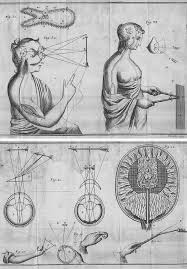
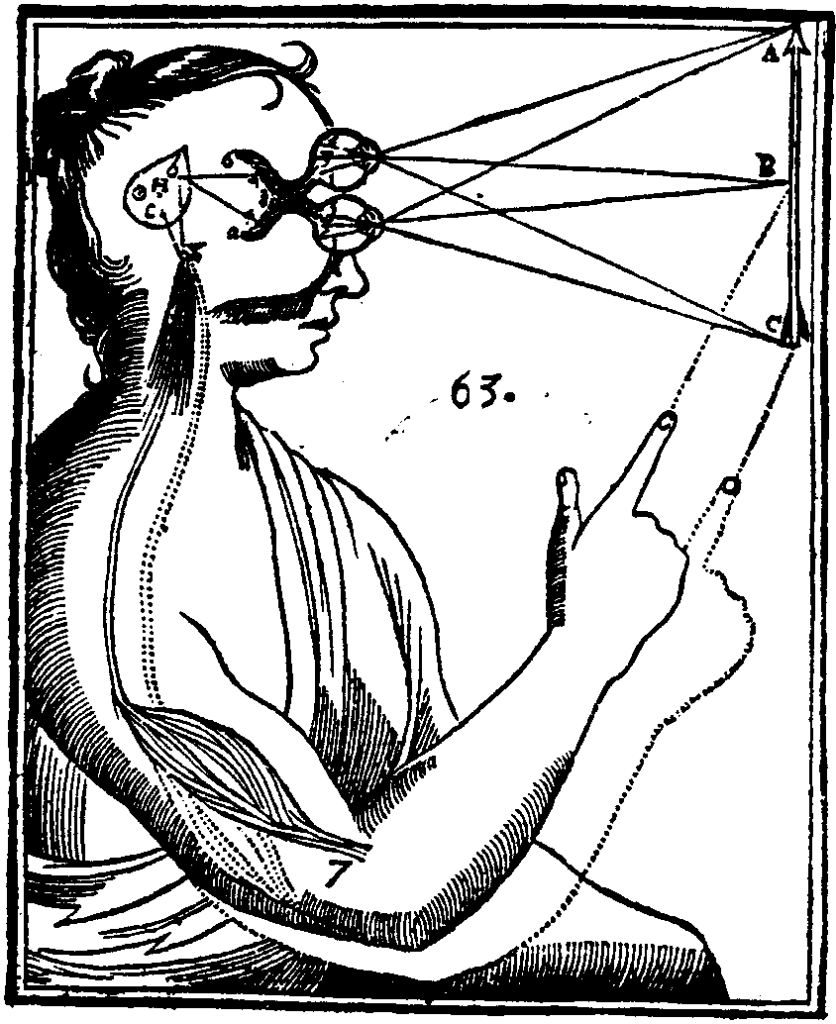
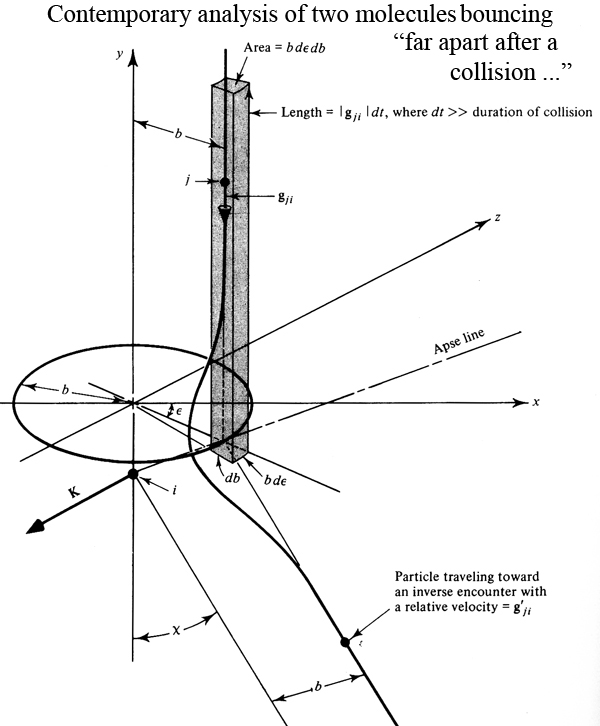
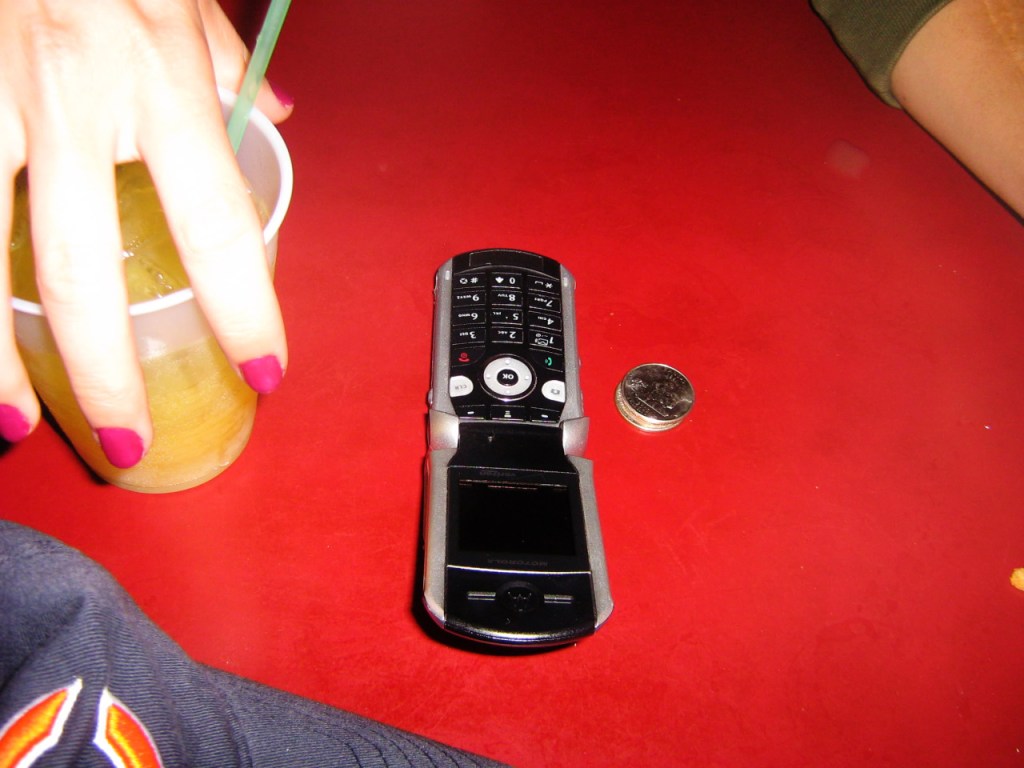
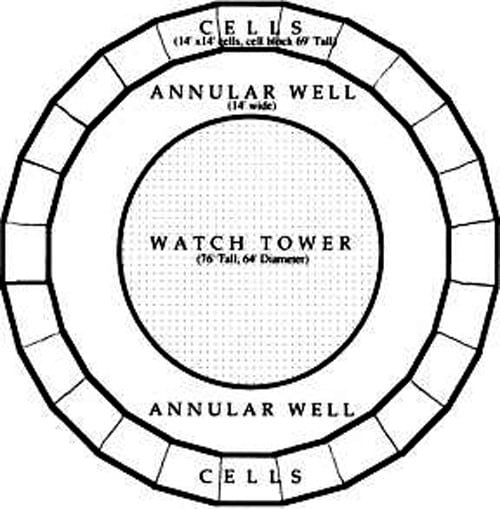
reference diagrams/images
the “perceived”


the “dream-scape”
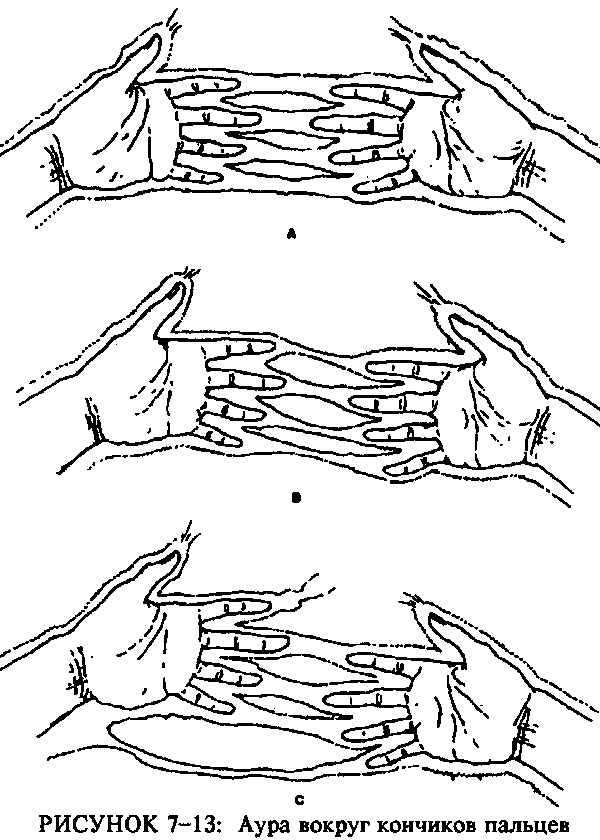

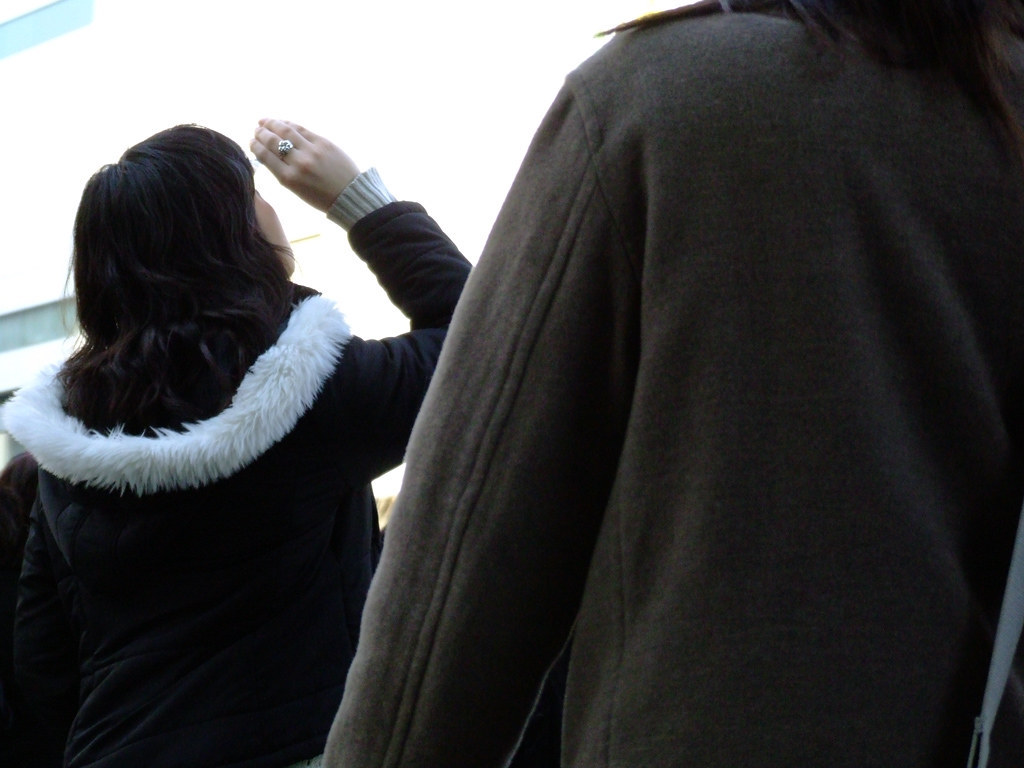

our music news
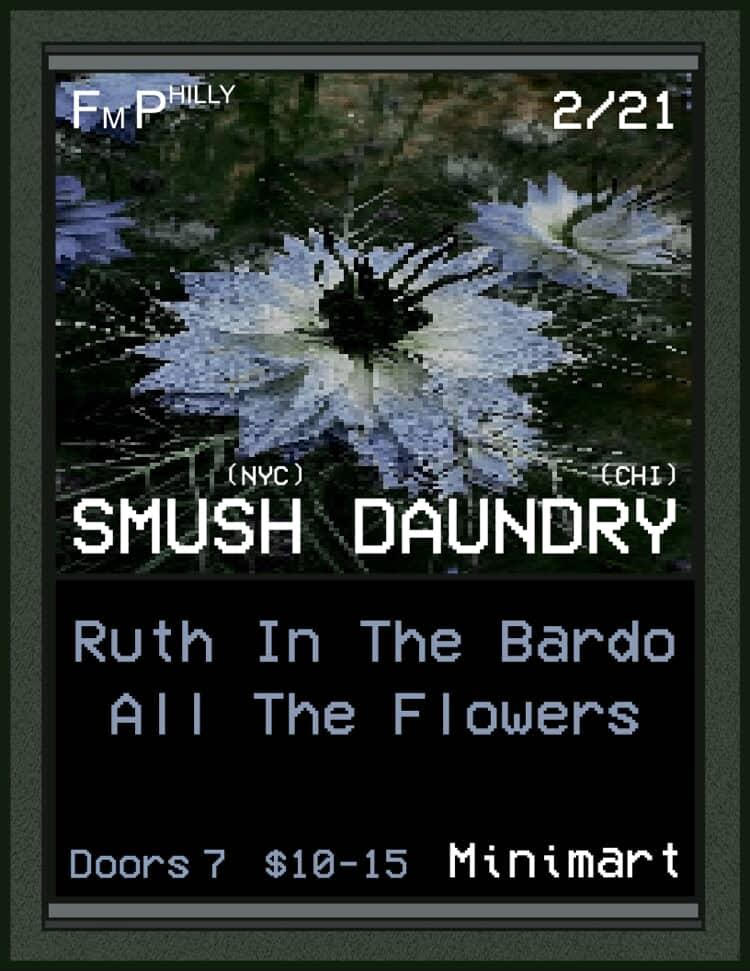
We have recorded the entirety of the album. “Shiver Now” release April 15th. There will be a single release show in Philadelphia. We have a show 2/21/26 at Minimart in Philly.
Bibliography
- René Descartes, Discourse on the Method, trans. Donald A. Cress (Indianapolis: Hackett Publishing, 1998), 9. ↩︎
- Lucretius. On the Nature of the Universe. Translated by R. E. Latham. Harmondsworth: Penguin Books, 1951, 90. ↩︎
- Lucretius. On the Nature of the Universe. Translated by R. E. Latham. Harmondsworth: Penguin Books, 1951, 92. ↩︎
- Blaise Pascal, Pensées, trans. A. J. Krailsheimer (London: Penguin Books, 1995), 61. ↩︎
- Michel de Montaigne, The Complete Essays, trans. Donald M. Frame (Stanford: Stanford University Press, 1958), 41. ↩︎
 Ruth in the Bardo
Leave a comment